Author Archives: donniallum

Different Styles of Skateboarding Part 2

There are several different styles of skateboarding, in this two-part blog series I would like to give you an overview about what the five main disciplines entail and provide a very brief history of their evolution.

Part 2.

Park

As street skateboarding became more prevalent many communities wanted to provide an area for skateboarders, to encourage them off public streets while allowing them to practice their hobby. Concrete parks were built that had features which skateboarders enjoyed riding. Curved walls which emulated the feeling of riding a wave, large banks for performing spins and flip tricks on, and eventually rails and boxes to slide and grind on. These skateparks provided ideal terrain and allowed the difficulty of the sport to increase enormously. Modern park skateboarding is very similar to competition street skateboarding, with more focus on transitional skateboarding (ramps) than the latter. Park skateboarding will be featured in the next Olympic Games, check out the USA Skateboarding Team page to see their training facilities and team.

Pool

At the same time skateboard park designs were improving, skateboarders were noticing the similarities between the park transitions they loved riding and the curvature of an empty swimming pool. Empty pools throughout California were hunted down and ridden. This new style of skateboarding that emerged lacked the technical elements of freestyle or street but had the raw speed and aggression of surfing, it involved pumping the corners of the pool and doing turns as high as possible on the walls. Pool skateboarding became very popular and set the stage for the evolution of vert ramps.  

Ramp

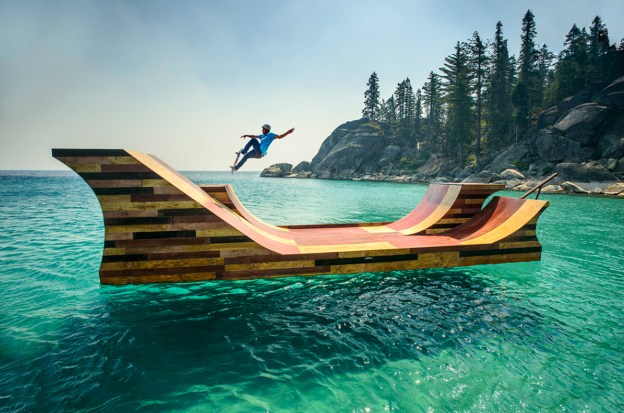
Incorporating what they had learned from riding pools, skateboarders began building ramps with a large transition, flat bottom and metal coping designed to imitate the bullnose coping of a swimming pool. These were usually constructed from plywood which allowed enough flex to create a curve. These ramps allowed skateboarders to perform far more difficult and complicated tricks than were previously possible and the popularity of the sport exploded. Flip tricks from street and the aggressive style of pool created the new genre of ramp skating. The 1980’s saw vert (large ramps with a vertical incline) become mainstream, with icons such as Tony Hawk receiving lucrative sponsorship deals from big companies. Unfortunately, vert skateboarding became increasingly unpopular towards the 90’s as most skateboarders gravitated towards the easier and more accessible discipline of street skateboarding. While it is a style of skateboarding that is still practiced, the limited availability of vert ramps restricts its growth. Mini ramps, which are a smaller version of a vert ramp have become very common due to their ease of build and affordability, many skateboarders have a version of one at their local park or even home. Vert also spawned the birth of Mega Ramp skateboarding, a very niche sport in which skateboarders ride ramps upward of 70 feet high.  
Different Styles of Skateboarding Part 1

There are several different styles of skateboarding, in this two-part blog series I would like to give you an overview about what the five main disciplines entail and provide a very brief history of their evolution.

Part 1

Freestyle

This is now one of the least common forms of skateboarding, but it is also one of the oldest. After the original skateboard was designed as a mode of transport in the 1960’s, surfers began experimenting with riding it like a surfboard doing turns and slashes. This then evolved into spins and different ways of flipping the board underneath them, which became freestyle. Rodney Mullen was one of the original freestyle skateboarders in the 1980’s, he is credited with inventing most of the tricks that are still featured in skateboarding now. The World Freestyle Skateboard Association page features numerous photos and videos of freestyle skateboarding.

Street

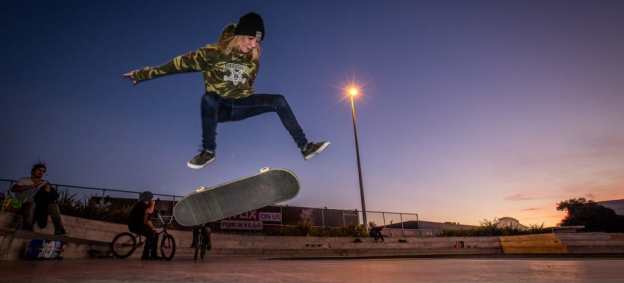
As freestyle grew in popularity many skateboarders began combining the speed, slashes and turning manoeuvres that their surfing forefathers had done, with the more technical flipping and spinning of the skateboard that freestyle had developed. This evolved into what is now the most popular discipline, street skateboarding. It often involves high speed, high risk skateboarding in places not designed for the activity. Examples such as jumping down sets of stairs while flipping the skateboard underneath their feet or riding down handrails are common. Its popularity grew from the nineties and exploded in the 2000s, now street skateboarding competitions such as Street League attract international viewers and provide enormous prize money. The most decorated Street League skateboarder, Nyjah Huston has earned over 1.4 million dollars in prize money.     

Colleens Top Tips for Wedding Cakes

After over a decade of making spectacular wedding cakes Colleen Brent has learned a lot about how to ensure you get the cake of your dreams. While any cake design from Cakealicious will involve personalised consultations where we guide you through the design process, Colleen has compiled a few tips to help you choose the most important dessert of your life.

1. Browse, browse, browse.

Not long-ago prospective brides and grooms had to spend a fortune on cake magazines to find inspiration, but thanks to the internet you can now browse cake designs from the most incredible bakers around the world. Make the most of this amazing recourse, take notes, screengrabs, photos, anything that can help guide you when it comes time to designing your own cake. The process can be a little daunting, it helps a lot to have a good idea of what you want.

2. Don’t forget about flavour.

Many people plan their cake design for weeks or months before even thinking about the taste. A beautiful centrepiece is nice but it’s even better if it is delicious.

3. Slow down.

Not everyone has the luxury of time to spare but be aware that designing and crafting a cake is a time-consuming experience. Whenever possible, start planning your cake as early as you can. Take the time to consider all the different options, this will almost always result in you being happier with the final product. You will need a minimum of two consultations with our head baker including the tasting and we require a minimum of three days to produce a cake, please allow plenty of time before your big day.

4. Consider any special food requirements.

Is your new mother in law vegan, gluten free or dairy intolerant? Does Grandmother have a deadly peanut allergy? There are an endless variety of special dietary requirements that your wedding guests may have, catering to them will require either some compromise or elaborate planning. Many of our clients require that their guests advise them of their dietary limitations when they RSVP, this assists them in planning the meals and drinks which they provide. We will work with you and whatever your needs are, to ensure everyone can enjoy the moment when you cut the wedding cake of your dreams.   

More Trophies For The Cabinet

Colleen Brent, owner and head baker at Cakealicious Cakes, traveled to Napier this weekend to compete in the prestigious Chelsea Sugar Craft Competition. The sun was beating down on the 43 competitors from around New Zealand gathered to exhibit their mastery of baking; despite the heat the competition was an absolute success. Colleen participated in the Luxury Cake Clash, the Pavlova Playoffs and the Bread Baking Battle, taking home trophies for 1st, 1st and 3rd respectively.

Speaking after the competition Ms Brent said she was absolutely elated with her performance and praised the high standard of competition: “That was one of the toughest line ups of competitors that I’ve ever seen in the luxury cake division, I have to admit I was very nervous. When I saw Pierre Patisserie’s spectacular seven tier black forest gateaux, I knew I needed to bring my A game. The pavlova division was equally tough, but I’ve been training particularly hard for that event, so I just stuck with my plan and it all came together. I was slightly disappointed with my results in the Bread Battle, but I’ve really got to give it up to my competitors. Christina Crast created the crustiest Ciabatta I have ever seen, and Dorothy Dow baked the most delicious date nut bread in the history of the competition. I take my hat off to them and look forward to competing against them both next year”.

2020 marks the eighth year that Colleen has competed at the illustrious invitation-only event and provided her most successful results to date, bringing her total trophy count to eleven and confirming her position as one of New Zealand’s most illustrious premier cake designers.